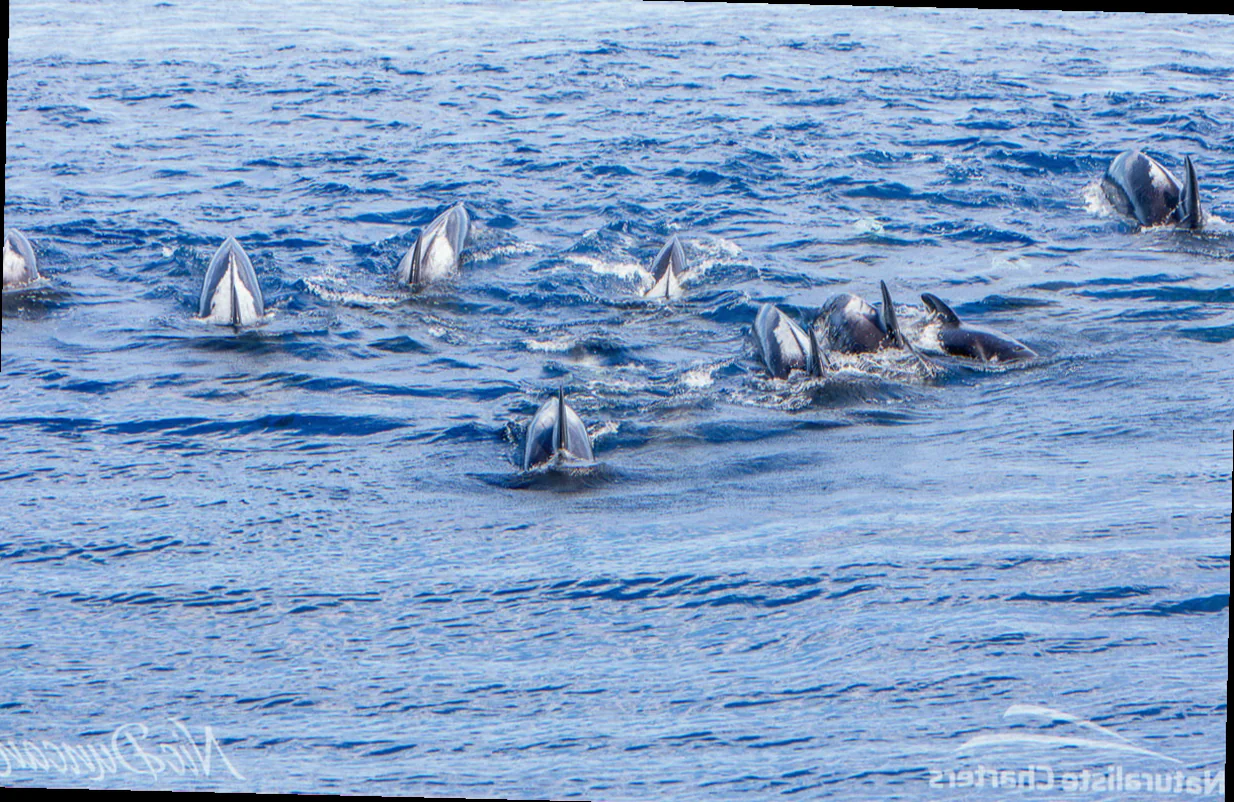
Ecological significance: As apex predators within the Bremer Sub-Basin, the Bremer Canyon killer whale pod exerts top-down pressure that regulates the populations of teuthid cephalopods and mid-sized cetaceans, maintaining the structural integrity of the Southern Ocean's pelagic food web. Their role as nutrient cyclers is vital; through the "whale pump" mechanism, they facilitate the vertical transport of nutrients, and their removal would likely trigger a mesopredator release of species such as the Long-finned Pilot Whale, potentially destabilizing the localized deep-sea ecosystem.
Species Profile
| Attribute | Data |
|---|---|
| Scientific name | Orcinus orca (Linnaeus, 1758) |
| Trophic level | Apex predator |
| Population estimate | Approximately 150-200 individuals (Project ORCA / Marine Information and Research Group Australia) |
| Native range | Western Australia (South-west Marine Region), Southern Ocean, and circumglobal distribution |
| EPBC Act status | Not listed (listed as Migratory and Marine under the EPBC Act) |
Position in the Food Web
- Prey species: The Bremer Canyon pod specializes in high-energy prey including the Giant Squid (Architeuthis dux), various beaked whales such as Gray's Beaked Whale (Mesoplodon grayi), and occasionally the calves of Pygmy Blue Whales (Balaenoptera musculus brevicauda). Hunting is highly coordinated, utilizing "carousel feeding" for fish or pack-based pursuit and drowning for larger cetaceans.
- Predators: Adult killer whales have no natural predators; however, neonates and weakened individuals may face opportunistic predation from the Great White Shark (Carcharodon carcharias), though documented occurrences are extremely rare in this region.
- Competitors: They compete for teuthid resources with the Sperm Whale (Physeter macrocephalus) and for small cetacean prey with the Long-finned Pilot Whale (Globicephala melas), often resulting in interspecific aggression.
- Symbiotic partners: Commensal relationships exist with various seabird species, such as the Flesh-footed Shearwater (Ardenna carneipes), which scavenge scraps from killer whale kills. They also host parasitic species like the Cookiecutter Shark (Isistius brasiliensis), which leaves characteristic circular wounds on the epidermis.
- Keystone role: The Bremer Canyon killer whale pod is a keystone species; their presence dictates the spatial distribution and behavior of numerous marine mammals and fish within the canyon, effectively shaping the community architecture of the bioregion.
Habitat Requirements and Microhabitat Use
The Bremer Canyon killer whale pod is primarily associated with the Bremer Sub-Basin, a complex geological feature located on the edge of the continental shelf within the South-west Marine Region. This habitat is characterized by intense seasonal upwellings where nutrient-rich Sub-Antarctic Mode Water is forced upward through submarine canyons, fueling massive blooms of phytoplankton. These whales utilize the bathypelagic and mesopelagic zones, often concentrating their activities over depths ranging from 800 to 3,000 meters. The presence of the Flinders Current is crucial, as it influences the concentration of prey species. Unlike coastal populations, this pod is pelagic-specialized, requiring deep-water environments with specific thermal gradients that support the high caloric requirements of a pack-hunting apex predator.
Reproductive Strategy and Population Dynamics
As a classic K-selected species, the killer whales of the Bremer Canyon exhibit slow maturation, long lifespans, and low reproductive rates. Females typically reach sexual maturity between 12 and 15 years of age, with gestation periods lasting approximately 15 to 18 months. Breeding is not strictly seasonal but is often influenced by the abundance of high-energy prey linked to the summer upwelling events (January to April). Juvenile survival is heavily dependent on maternal care and social learning within the matrilineal pod structure. Population growth is fundamentally limited by "carrying capacity" relative to prey availability and the bioaccumulation of toxins, which can impair reproductive success in older females. The tight social cohesion of the pod ensures that hunting techniques and "cultural" knowledge are passed down, which is essential for the survival of calves in the high-energy environment of the Southern Ocean.
Threats and Vulnerability Analysis
- Introduced species pressure: While direct feral animal pressure is absent in the open ocean, the introduction of marine invasive species via ballast water can alter the base of the food web, potentially displacing native prey fish and squid populations.
- Land-use change: Offshore industry, specifically seismic testing for oil and gas exploration in the Great Australian Bight and surrounding basins, poses a significant threat through acoustic trauma and the disruption of echolocation-based hunting.
- Climate projections: By 2050, warming sea temperatures and shifts in the Southern Annular Mode (SAM) are projected to weaken the Leeuwin Current and alter upwelling cycles. This could lead to a "bottom-up" collapse of the productivity that draws the killer whales to the Bremer Canyon during the summer months.
- Disease: Potential vulnerability to Cetacean Morbillivirus (CeMV) and Brucella species, which can spread rapidly through highly social pods and lead to mass stranding events or reproductive failure.
Recovery Actions and Research Gaps
Currently, the Bremer Canyon killer whales benefit from the protections afforded by the Bremer Marine Park, part of the South-west Marine Parks Network. While there is no specific national recovery plan exclusively for this pod, they are managed under the broader "Conservation Values Report" for the South-west Marine Region. Research efforts by organizations like Project ORCA focus on photo-identification and acoustic monitoring to track population trends. A critical research gap remains regarding their migratory pathways and habitat use during the winter months; while they are observed reliably from January to April, their whereabouts and ecological role during the remainder of the year remain largely unknown, hindering year-round conservation strategies.
Ecological FAQ
Why is Bremer canyon killer whale pod important to its ecosystem?
The pod functions as a biological regulator. By preying on large squids and smaller whales, they prevent any single species from dominating the mid-trophic levels, which promotes higher overall biodiversity. Furthermore, their movement through the water column helps distribute nitrogen and iron through their waste, which acts as a fertilizer for the phytoplankton that forms the basis of the entire marine food chain.
How has the Bremer canyon killer whale pod population changed over the last 50 years?
Historical data prior to the 2000s is sparse, as the "discovery" of the Bremer Canyon hotspot by the scientific community is relatively recent. However, since intensive monitoring began around 2013, the population appears stable but vulnerable. The primary shift has not been in numbers alone, but in the increasing exposure to anthropogenic noise and chemical pollutants, which pose a long-term threat to their demographic stability compared to the mid-20th century.
What can individuals do to support Bremer canyon killer whale pod conservation?
Individuals can contribute by supporting "citizen science" initiatives, such as providing high-quality dorsal fin photographs to identification catalogues if they visit the canyon. Reducing the use of single-use plastics is vital, as microplastics and associated toxins bioaccumulate in apex predators. Additionally, advocating for the expansion of "no-take" zones within the Bremer Marine Park can ensure that the prey base for these whales remains undisturbed by commercial fishing interests.